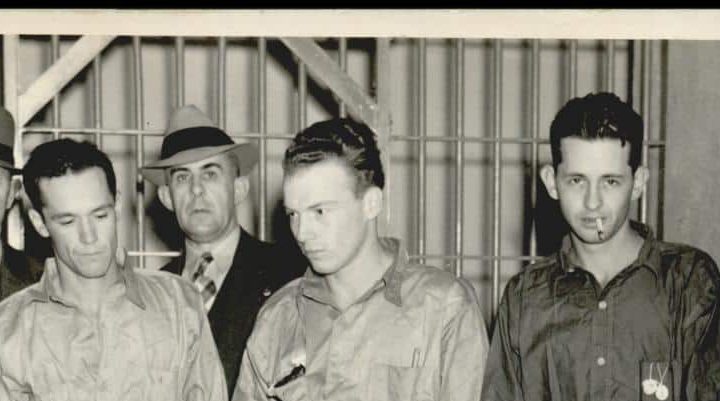
Wanted: Dead or Alive
The Park City Museum will host Wanted: Dead or Alive, a traveling exhibit from the Oklahoma History Center, from August 3 to September 29, 2024. This photography exhibit features images …
Upcoming
The Park City Museum will host Wanted: Dead or Alive, a traveling exhibit from the Oklahoma History Center, from August 3 to September 29, 2024. This photography exhibit features images …
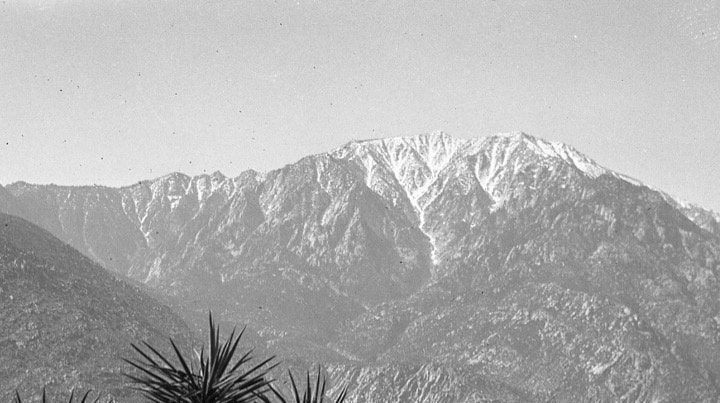
The Park City Museum is pleased to host Postcards from Mecca: The California Desert Photographs of Susie Keef Smith and Lula Mae Graves from February 25 through July 7, 2024. …
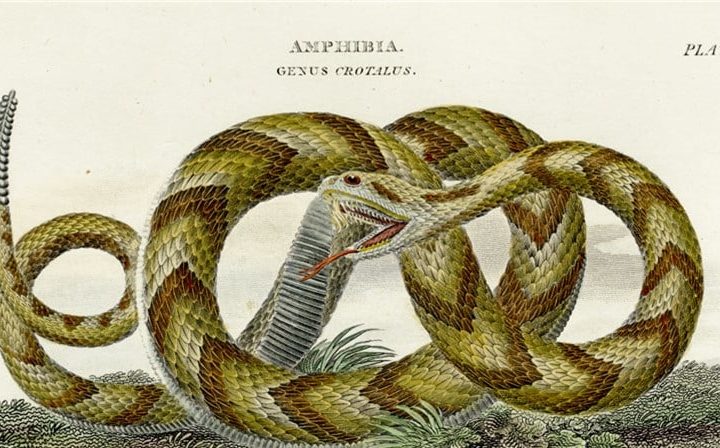
The Park City Museum will host Denizens: Wildlife on the Western Frontier from November 4, 2023 to January 7, 2024. This exhibit features the spectrum of wildlife which graced the …
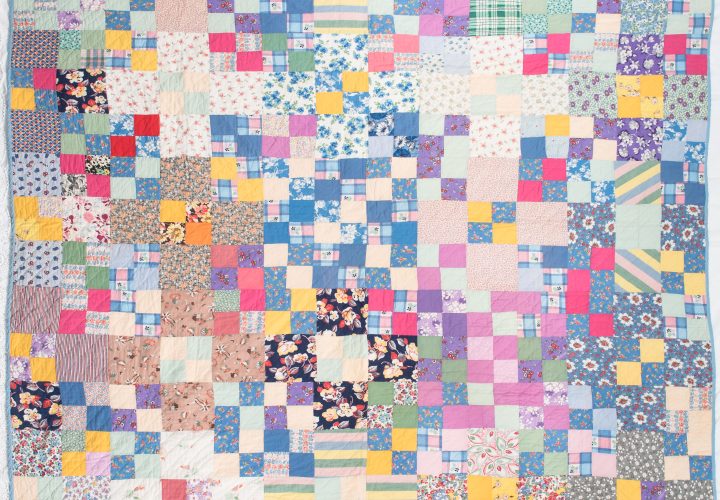
Thrift Style explores the reuse of feed sacks to make clothing and other household objects and illuminates how the “upcycling” of these bags mutually benefited twentieth-century consumers and businesses. With …
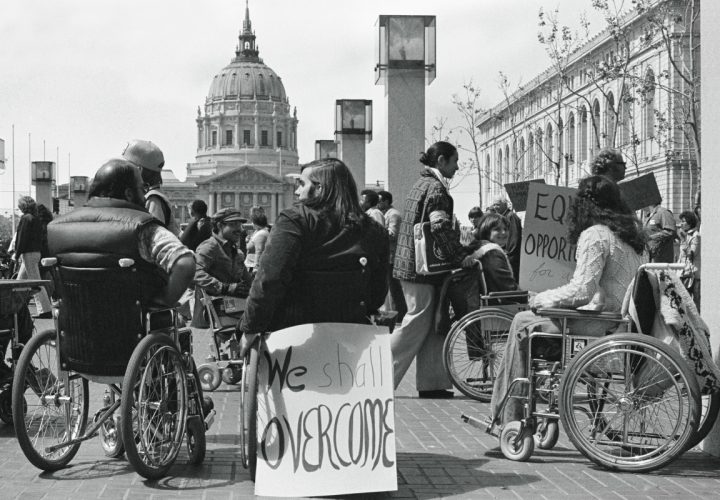
Discover an overlooked moment in U.S. history when people with disabilities occupied a government building to win their rights. The exhibit Patient No More: People with Disabilities Securing Civil Rights …
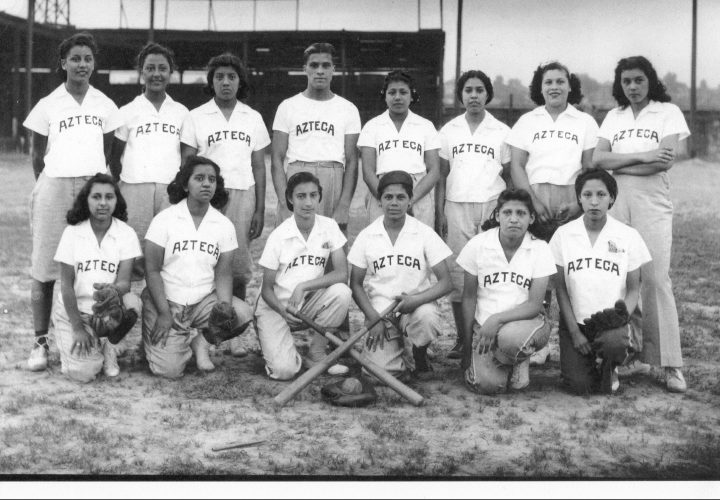
The history and culture of Latinos and their impact on American culture and society through the lens of baseball will be shared in the Smithsonian Institution Traveling Exhibition Service’s (SITES) …
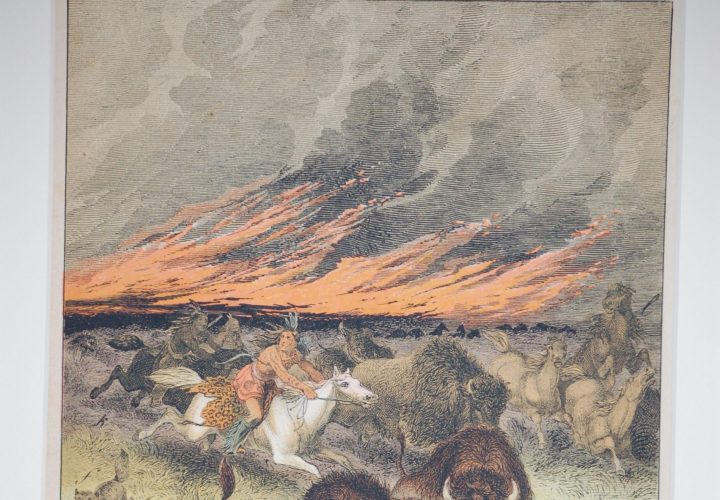
This exhibit features vintage 19th century prints circulated to audiences in England, France, and Germany, who were eager to learn about the trans-Mississippi frontier West that was being colonized by …
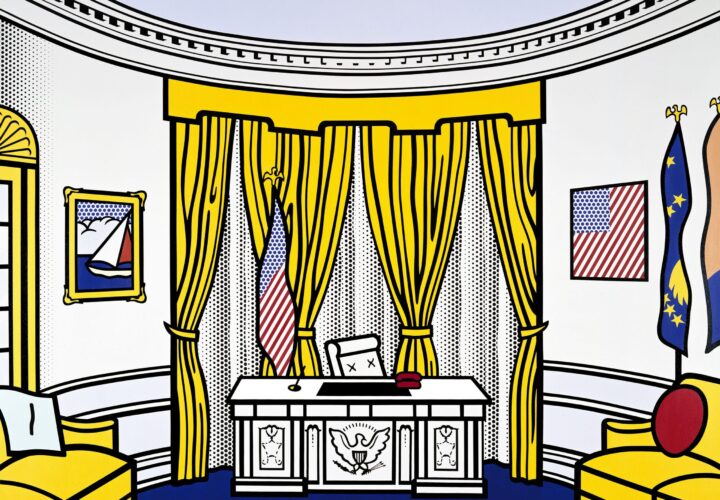
Historically, the ephemeral hardworking American political poster has been hiding in plain sight, attempting to catch our eye and capture our vote through the use of visual language. In a …
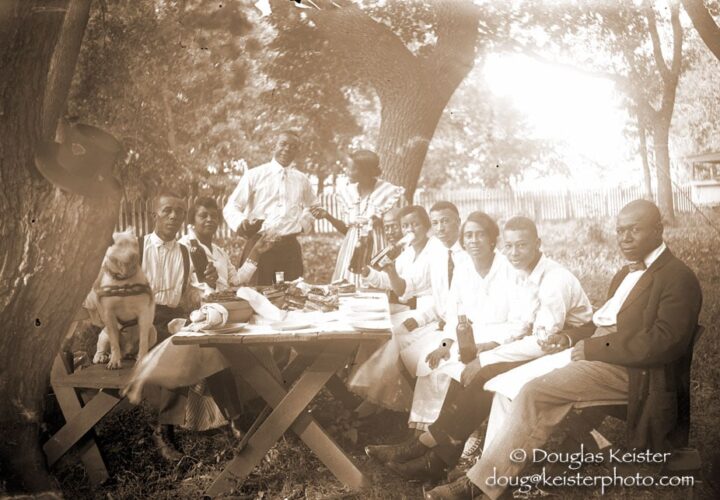
In 1965, 16-year-old Doug Keister acquired 280 glass plate negatives, originally found at a local garage sale. He immediately made prints from some of the plates, revealing powerful, early 20th-century …
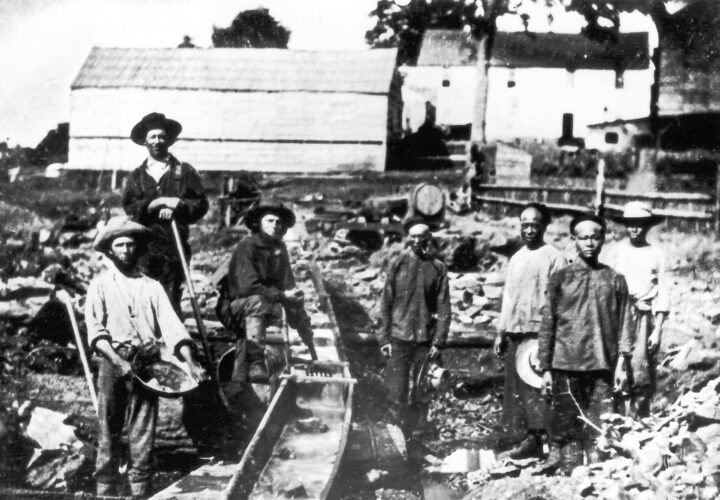
It has been more than 150 years since the Gold Rush galvanized California. Now, visitors to the Park City Museum can experience it for themselves. Gold Fever! Untold Stories of …
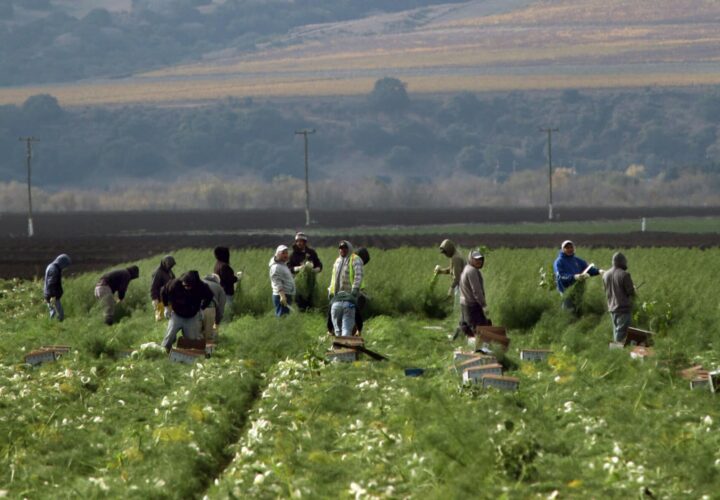
The Park City Museum is thrilled to host the Smithsonian Institution Traveling Exhibition Service’s new bilingual (Spanish and English) exhibition, Dolores Huerta: Revolution in the Fields / Revolución en los …
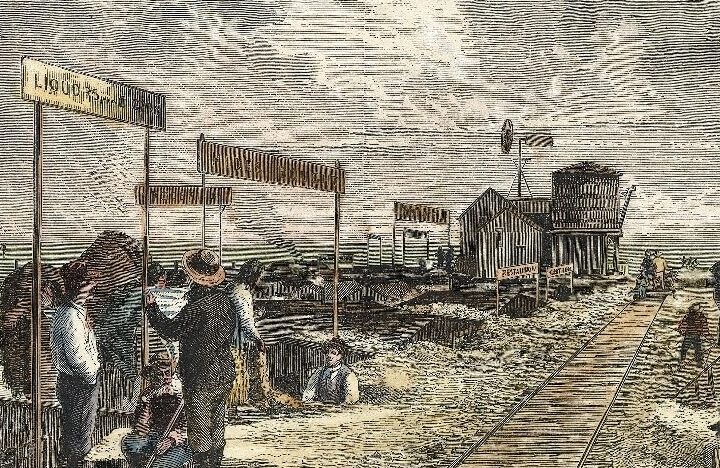
A new traveling exhibition documenting the 1873 overland journey of artists Jules Tavernier and Paul Frenzeny, A Great Frontier Odyssey: Sketching the American West, will be on display at the …

Jacob Riis (1849–1914) was a pioneering newspaper reporter and social reformer in New York at the turn of the twentieth century. His then-novel idea of using photographs of the city’s …
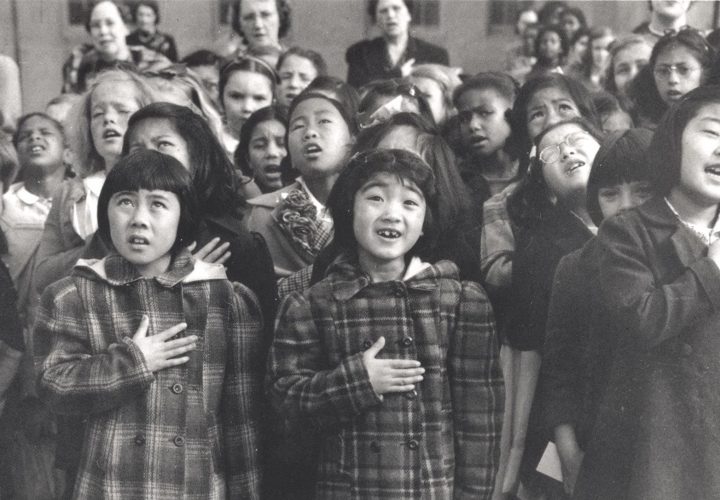
The Park City Museum is proud to host the Smithsonian traveling exhibition “Righting a Wrong: Japanese Americans and World War II” from June 19 to October 4, 2020. The exhibition …

May 10, 2019 marked the 150th anniversary of the completion of the first North American transcontinental railroad. At a ceremony at Promontory Summit on May 10, 1869, the Union and …

From 1914 until her final cartoon appeared in 1927, Nina Allender contributed over 150 cartoons to the suffrage campaign, mostly original drawings. . …
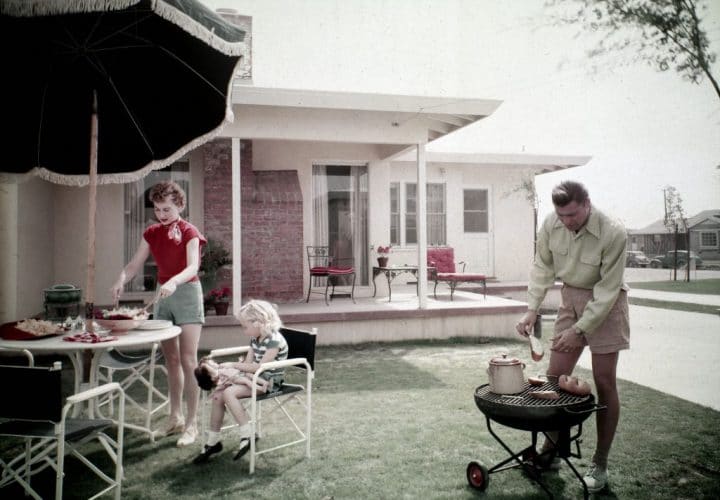
These are the perennial signs of a suburban summer: the smell of hot dogs on the grill, the sound of a mower on a Saturday afternoon, pool parties and get-togethers on the patio.

For more than 150 years, Coney Island, a strip of sand at the mouth of New York Harbor, has occupied a singular place in the American imagination. From a beginning …
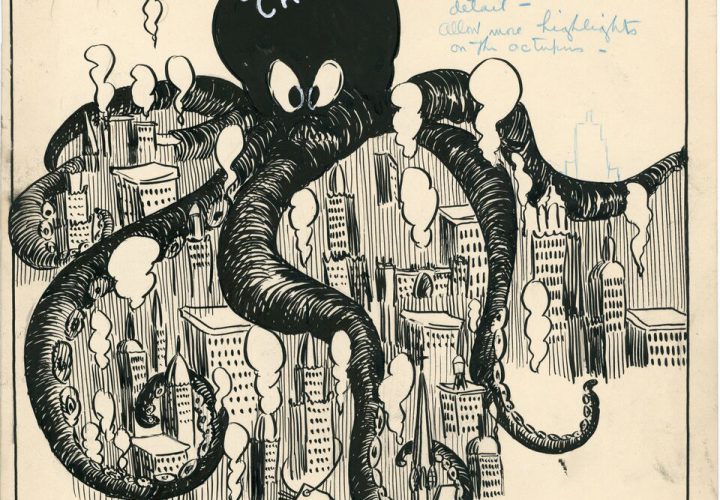
On a daily basis, editorial cartoonists deliver biting social commentary made palatable through amusing and well-crafted illustration. Lines with Power and Purpose: Editorial Cartoons features over forty original editorial cartoons …
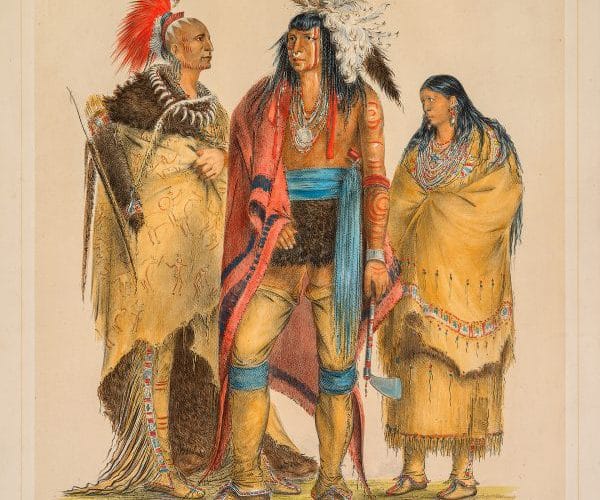
Throughout the nineteenth century as Americans pushed west toward the Pacific, they were fascinated by westward expansion in North America. Printed imagery—lithographs and engravings—played an important role in the dissemination …
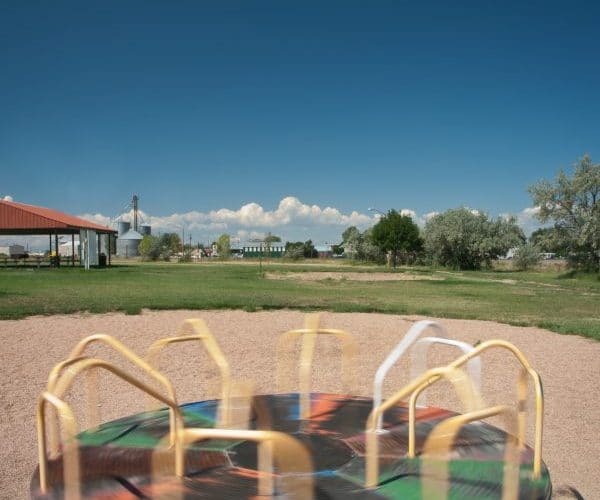
The classic metal and wood structures that have populated playgrounds for most of the twentieth century—towering metal slides, giant jungle gyms, whirling merry-go-rounds, bouncing seesaws—have become beloved artifacts of childhood. …

Route 66 is emblematic of the American experience. Nearly every aspect of 20th century United States history is reflected in the story of the people and events along the Mother …
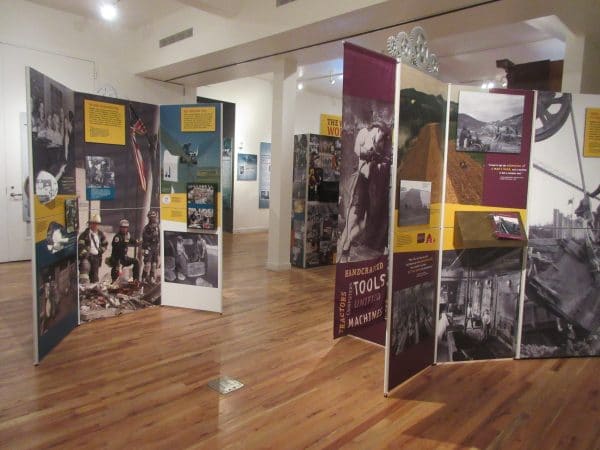
The Park City Museum is thrilled to announce a collaboration with Utah Humanities to bring The Way We Worked, a Museum on Main Street (MoMS) exhibition from the Smithsonian Institution on year-long tour through Utah. Park …

The Hunt for Treasure! has four themes: sunken treasure, buried treasure, metal detecting, and the modern treasure hunt. Visitors will love hunting for “treasures” with a metal detector, digging for treasure …

Last call, last call! The Park City Museum is going dry with its newest traveling exhibit, Spirited: Prohibition in America. On display from April 5 to May 25, 2017 in the …
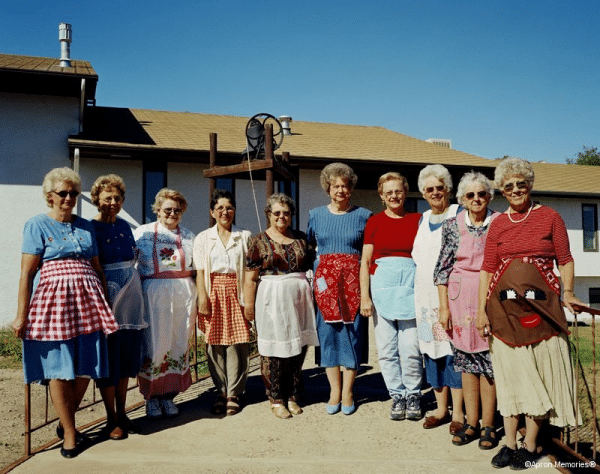
Apron Chronicles: A Patchwork of American Recollections presents the American experience through photographs, accompanying text in story form and over 100 vintage aprons. The exhibit explores the people behind the …
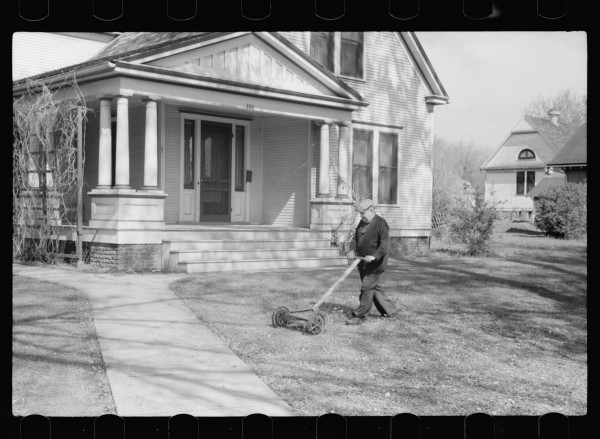
What make a house a home? Throughout American history, people have lived in all sorts of places, from military barracks and two‐story colonials to college dormitories and row houses. Drawn …
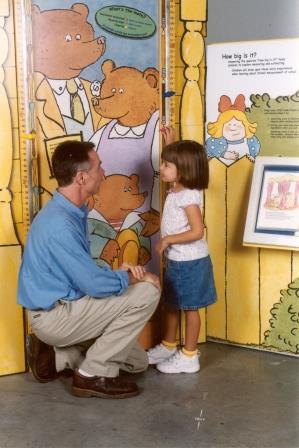
This sensational exhibit transforms charming children’s books into a kid-sized world where children and adults delight in exploring math and books. The exhibit offers hands-on, play-filled experiences with simple math …

Can you imagine a time when there were no waterproof raincoats? No plastic buckets? Humans existed without plastics for centuries. Now, we rely on them to meet our basic needs. …

In an era spanning the early 20th century, through depression ridden times and a dust bowl, one form of revelry thrived – the circus. Traveling from coast to coast, rail cars packed …
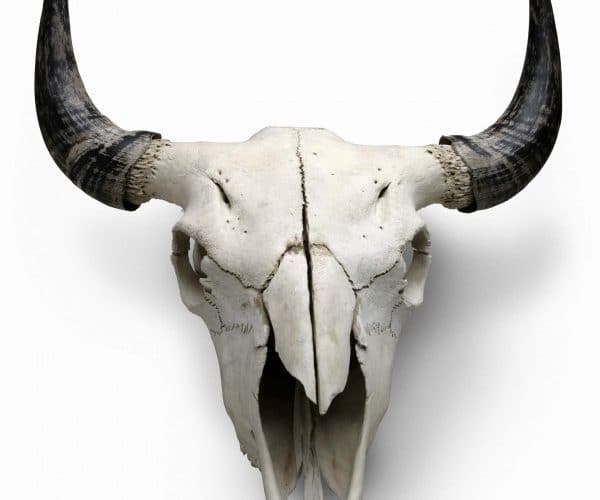
For thousands of years until the early 1860s, there were tens of millions of bison roaming the plains of North America. By 1890, there were fewer than 300. What happened? …
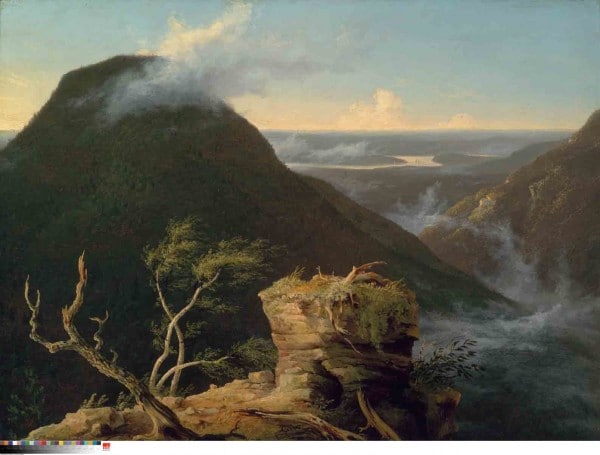
Wild Land: Thomas Cole and the Birth of American Landscape Painting explores the world of Thomas Cole, an English immigrant painter who revolutionized American landscape painting. Take a walk “into the …
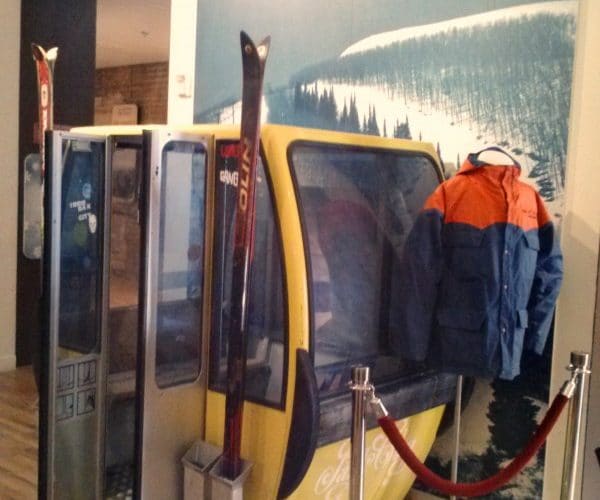
In December 2013, Park City Mountain Resort turned fifty. To help celebrate the history of the resort and its impact on Park City’s development as a ski town, the Park …
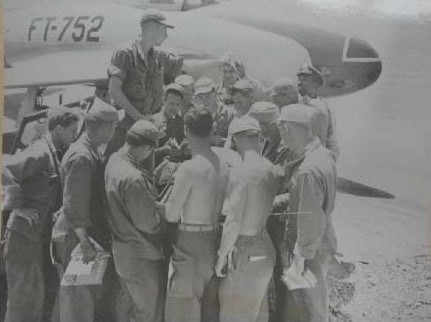
A name is shouted out, and a parcel is handed through the crowd to its eager recipient—mail call is a moment when the front line and home front connect. Letters, …
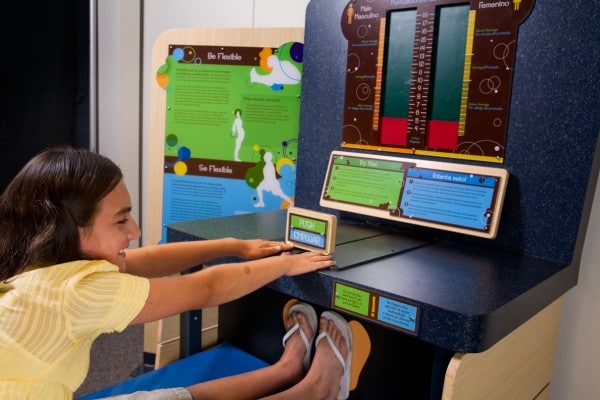
What is in the food we eat? Are fruits and vegetables important? Can everyday activities burn calories? Visitors will find the answers to these questions by exploring nutrition and fitness …
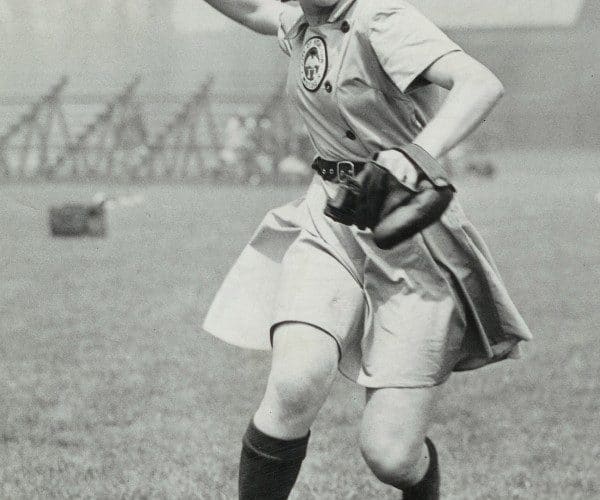
Sounds of America’s pastime: the crack of the bat, the roar of the crowd, the cheers of “Atta girl!”. While the 1992 film, A League of Their Own, introduced contemporary audiences …
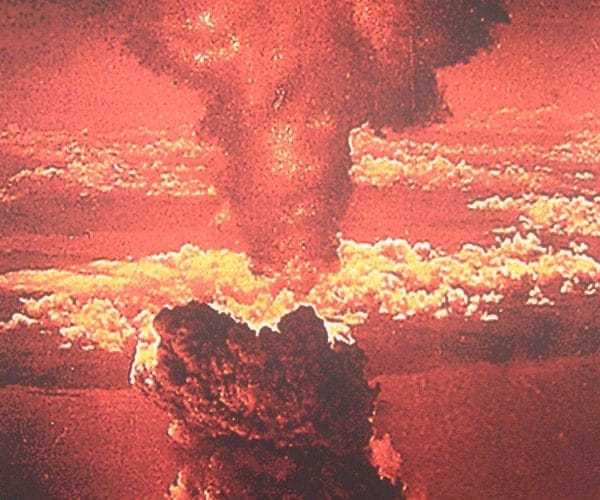
On August 6, 1945, a specially-equipped American B-29 Superfortress dropped an atomic bomb on Hiroshima, Japan. On August 9, another atomic bomb fell on Nagasaki. For most Americans, the immediate …
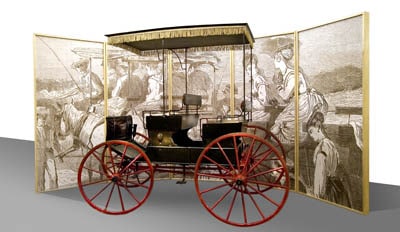
Before the dawn of the automobile, horse-drawn carriages were essential for providing Americans with goods, services and leisure opportunities. As the standard of living improved during the 19th century, more …
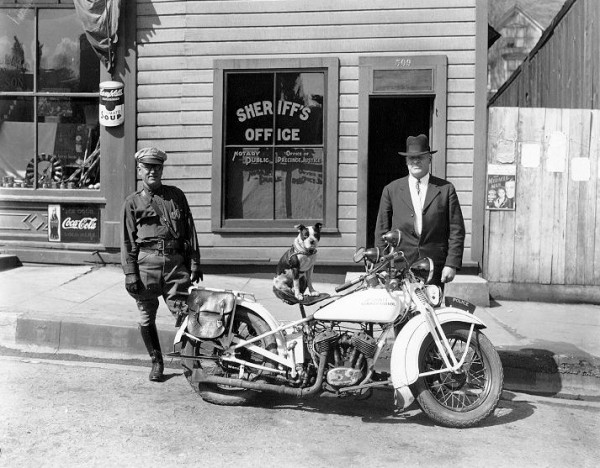
What would our lives be like without animals? For a town whose nickname is “Bark City,” it was only a matter of time before we focused on Park City’s four-legged …